

Sprödes Haar ist ein Problem, von dem immer mehr Frauen betroffen sind. Die Ursachen sind vielfältig – schlechte Ernährung, ein hektischer Lebensstil, Stress, und die täglichen Styling-Routinen, denen das Haar ausgesetzt ist. Neben Haarmasken und Conditionern, fordern auch Haarsprays, Schaumfestiger, Föhn, und Glätteisen ihren Tribut. Insbesondere Hitze-Stylinggeräte können verheerende Auswirkungen auf den Zustand der Haare haben. Die Pflege von brüchigem Haar erfordert einen durchdachten, und engagierten Ansatz – einen, der das Problem aus verschiedenen Blickwinkeln angeht. Was verursacht sprödes Haar? Eine Schwächung des Haares kann schnell eintreten, lässt sich aber leider bei weitem nicht so leicht rückgängig machen. Alles hängt davon ab, was das Problem verursacht. Einige Ursachen lassen sich sofort angehen – Rauchen und übermäßiger Alkoholkonsum sind bekannte Faktoren, die zu einer schlechten Haargesundheit beitragen. Auch häufiges Schwimmen in chlorhaltigem Wasser fordert seinen Tribut. Andere Faktoren, wie Luftverschmutzung und raues Wetter, liegen weitgehend außerhalb unserer Kontrolle.
Die Ernährung spielt eine bedeutende Rolle, und eine Verbesserung der Ernährung wirkt sich oft entscheidend auf den Zustand der Haare aus. Ebenso, haben gängige Salonbehandlungen – darunter Föhnen mit starker Hitze, Färben, Bleichen, und Dauerwellen – selten keine Auswirkungen auf das Haar.
Es ist auch erwähnenswert, dass sprödes, und schwaches Haar ein Symptom für zugrunde liegende Gesundheitsprobleme sein kann. Hormonelle Ungleichgewichte führen häufig zu Haarausfall und dünner werdendem Haar, ebenso wie durch Krankheiten verursachte Vitaminmängel. Wenn das Problem trotz Änderungen Ihrer Routine weiterhin besteht, ist es immer ratsam, einen Arzt aufzusuchen, um die Ursache zu ermitteln.
Die Wahl des richtigen Shampoos für sprödes Haar
Das richtige Shampoo ist die Grundlage der täglichen Haarpflege – nicht nur für diejenigen, die ihre Haare jeden Tag waschen. Bei brüchigem Haar, sollte das Shampoo zwei wesentliche Funktionen gleichzeitig erfüllen.
Erstens, muss es sowohl das Haar als auch die Kopfhaut gründlich, aber sanft reinigen. Äußere Einflüsse wie Staub und Luftschadstoffe lagern sich auf dem Haar ab, schwächen es und tragen zum Haarausfall bei. Ein gutes Shampoo entfernt diese Verunreinigungen zusammen mit überschüssigem Talg – ohne die Kopfhaut dabei aggressiv auszutrocknen. Ein übermäßiges Austrocknen der Kopfhaut verschlimmert die Situation nur.
Zweitens, sollte das Shampoo aktiv nähren. Reinigung allein reicht nicht aus Enough – die Formel benötigt sorgfältig ausgewählte Inhaltsstoffe, die sowohl die Kopfhaut als auch die Haarsträhnen selbst pflegen. Achten Sie auf Shampoos, die Proteine, natürliche Öle, oder Vitamine enthalten, die die Haarstruktur unterstützen.
Hier sind einige Shampoo-Empfehlungen, die für strapaziertes und brüchiges Haar geeignet sind:
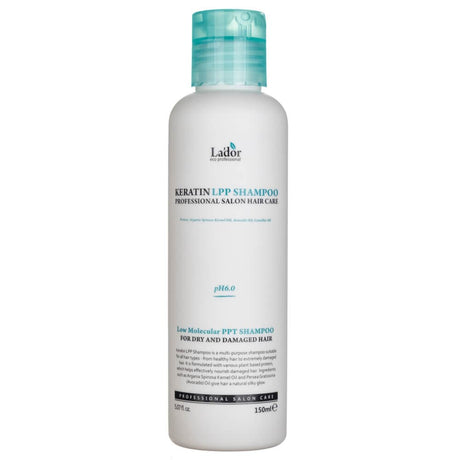


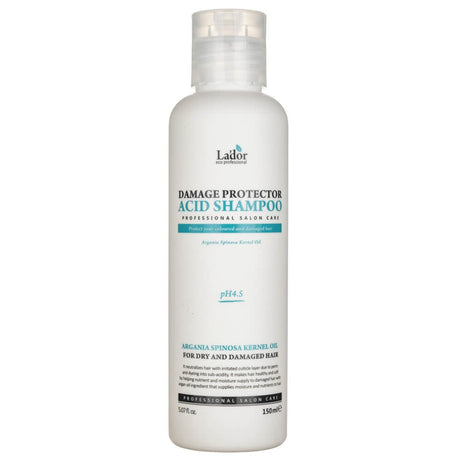

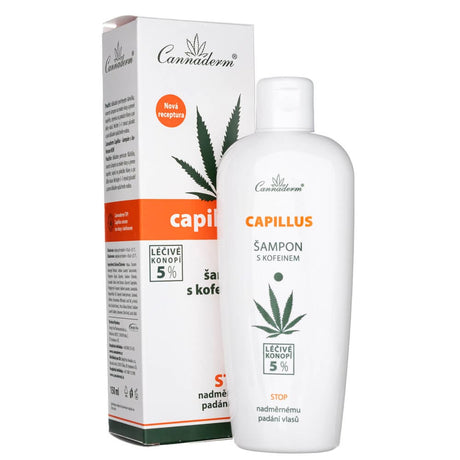


Cannaderm
Cannaderm Capillus Shampoo gegen Haarausfall mit Koffein -150 ml
Normaler Preis €11.79Grundpreis€7.86 /100ml
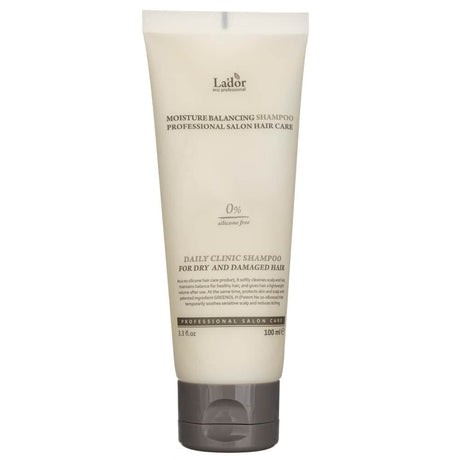

La'dor
La'dor Feuchtigkeitsausgleichendes Shampoo - 100 ml
Normaler Preis €3.59Grundpreis€3.59 /100ml


Masken, Conditioner, und Seren – Aufbau einer umfassenden Haarpflege-Routine
Kein einzelnes Produkt – egal wie gut es auch sein mag – kann sprödes Haar allein lösen. Ein umfassender Ansatz, der neben Ihrem Shampoo auch Masken, Conditioner, und Seren umfasst, liefert weitaus bessere Ergebnisse. Der Schlüssel liegt darin, zu wissen, wann und wie man die einzelnen Produkttypen anwendet.
Conditioner – Tägliche Pflege
Conditioner sind für den regelmäßigen, sogar täglichen Gebrauch konzipiert. Ihre Wirkung ist subtiler als die von Masken, aber sie bergen ein geringeres Risiko, das Haar zu beschweren. Achten Sie auf Formeln, die die Vitamine B3 ((Niacinamid)) und B5 ((Panthenol)), enthalten, die den Wiederaufbau der Proteinstruktur des Haares unterstützen. Bei regelmäßiger Anwendung, können Sie bereits nach zwei bis drei Wochen Verbesserungen feststellen.
Masken – Intensivpflege
Haarmasken dringen tiefer in den Haarschaft und die Kopfhaut ein, und versorgen das Haar mit konzentrierterer Pflege. Allerdings, können sie das Haar auch beschweren, wenn sie zu häufig angewendet werden. Masken sollten am besten für besonders trockenes und geschädigtes Haar reserviert werden. Wenden Sie sie nicht öfter als zweimal pro Woche an, und lassen Sie sie maximal zwanzig Minuten pro Anwendung einwirken.
Seren – Gezielter Schutz
Seren bieten gezielte Pflege – insbesondere für Spliss und Haarspitzen, die oft der sichtbar am stärksten geschädigte Teil des Haares sind. Ein gutes Serum kann helfen, das Haar zu versiegeln und zu schützen, ohne es zu beschweren.
Stellen Sie Ihre Haarpflege-Routine mit diesen Haarpflegeprodukten zusammen:
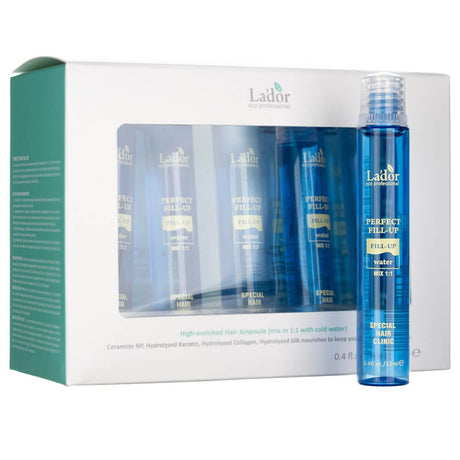


La'dor
La'dor Perfect Hair Fill-Up - 10 Ampullen x 13 ml
Normaler Preis €15.09Grundpreis€1.51 pro Stück


Haaröle — Eine sanfte Alternative
Wenn Sie befürchten, Ihr Haar zu beschweren oder es fettig zu machen, können Haaröle eine hervorragende Alternative zu schweren Masken und Conditionern sein. Regelmäßige Ölbehandlungen können die Haarstruktur nach und nach verbessern, Haarbruch und Haarausfall vorbeugen und ein gesundes, glattes Aussehen wiederherstellen.
Haarporosität verstehen
Sprödes Haar ist sehr oft poröses Haar – das bedeutet, dass die Schuppenschicht angehoben und offen ist, anstatt flach anzuliegen. Dadurch liegt der Haarschaft frei und ist anfällig für äußere Schäden. Die Wahl des richtigen Öls hängt weitgehend vom Porositätsgrad Ihres Haares ab:
- Haar mit mittlerer bis hoher Porosität (– hier fällt das spröde Haar meist hinein) – greifen Sie zu Nachtkerzenöl, Maisöl, Arganöl, oder Weizenkeimöl. Diese verleihen Elastizität und helfen, die Haaroberfläche zu glätten
- Bei Haarausfall — Rizinusöl (Hinweis: es kann helles Haar dunkler machen), Zedernöl, und Schwarzkümmelöl werden traditionell zur Stimulierung des Haarwachstums empfohlen
- Trockenes, dehydriertes Haar — Macadamiaöl, Mandelöl, und Sonnenblumenöl helfen, die Feuchtigkeit wiederherzustellen
Haaröle sind natürliche Weichmacher — sie helfen, den richtigen Feuchtigkeitsgehalt aufrechtzuerhalten, indem sie das Haar vor übermäßigem Wasserverlust schützen. Für beste Ergebnisse, sollten Ölbehandlungen regelmäßig als Teil Ihrer laufenden Haarpflege-Routine durchgeführt werden.
Tägliche Gewohnheiten, die brüchiges Haar schützen
Selbst die besten Produkte können nur begrenzt helfen, wenn deine täglichen Gewohnheiten dem Ergebnis entgegenwirken. Um Ihrem Haar die besten Chancen zu geben, r Ecover, beachten Sie diese praktischen Richtlinien:
- Minimieren Sie das Styling mit Hitze – lassen Sie Ihr Haar wann immer möglich an der Luft trocknen, und verwenden Sie die niedrigste wirksame Hitzestufe bei Föhn und Glätteisen
- Verwenden Sie eine Bürste mit Naturborsten — sie verteilt die natürlichen Öle gleichmäßiger entlang des Haarschafts und schont empfindliche Strähnen
- Vermeiden Sie straffe Frisuren — Pferdeschwänze, b UNS, und Zöpfe, die fest an der Kopfhaut ziehen, belasten geschwächtes Haar ständig, und erhöhen die Bruchgefahr
- Schützen Sie Ihr Haar vor Witterungseinflüssen — das Tragen einer Kopfbedeckung bei starker Sonneneinstrahlung oder kaltem Wind hilft, Umweltschäden zu reduzieren
- Überprüfen Sie Ihre Ernährung — Ernährung ist die Grundlage für gesundes Haar. Achten Sie auf eine ausreichende Zufuhr von Eiweiß, Eisen, Zink, Biotin, und B-Vitaminen
Nahrungsergänzungsmittel, die die Haargesundheit von innen unterstützen
Während äußere Pflege unerlässlich ist, beginnt wirklich gesundes Haar. Wenn Ihre Ernährung nicht alle Nährstoffe liefert, die das Haar benötigt, kann eine gezielte Nahrungsergänzung die Lücken füllen. Biotin (Vitamin B7) ist eines der am häufigsten empfohlenen Nahrungsergänzungsmittel für die Gesundheit von Haaren, Haut, und Nägeln, da es die Produktion von Keratin – dem Protein, aus dem das Haar besteht. Weitere hilfreiche Nährstoffe sind Zink, Kieselsäure, Eisen und das gesamte Spektrum der B-Vitamine.
Fazit: Sprödes Haar erfordert einen ganzheitlichen Ansatz, der das richtige Shampoo, regelmäßige Pflege und Haarkuren, strategische Ölbehandlungen, abgestimmt auf die Porosität Ihres Haares, sowie tägliche Gewohnheiten, die weitere Schäden minimieren, kombiniert. Eine ausgewogene Ernährung, reich an B-Vitaminen, Biotin, und Proteinen, bildet die innere Grundlage, während eine konsequente äußere Pflege im Laufe der Zeit Kraft und Elastizität wiederherstellt. Geduld und Regelmäßigkeit sind Ihre besten Verbündeten.
Dieser Artikel dient nur der Information und ersetzt keine ärztliche Beratung. Bei gesundheitlichen Beschwerden, in der Schwangerschaft, Stillzeit oder bei Einnahme von Medikamenten wenden Sie sich an einen Arzt oder Apotheker. Nahrungsergänzungsmittel sind kein Ersatz für eine abwechslungsreiche Ernährung.


