

L-Carnitin ist eines der am häufigsten verwendeten Nahrungsergänzungsmittel zur Gewichtsregulierung. Es herrscht die weit verbreitete Überzeugung, dass diese Verbindung die Fettverbrennung fördert – vorausgesetzt natürlich, dass bestimmte zusätzliche Voraussetzungen hinsichtlich Ernährung und Lebensstil erfüllt sind. Aber wird der Einfluss von L-Carnitin auf die Körperzusammensetzung seinem Ruf wirklich gerecht?
Verschiedene Formen von Carnitin verstehen
Wie L-Carnitin wirkt
L-Carnitin ist eine Verbindung, zu deren wichtigsten Funktionen die Unterstützung gesunder Alterungsprozesse gehört. Darüber hinaus, sind seine Eigenschaften im Zusammenhang mit Gewichtsmanagement gut dokumentiert, dank seiner Rolle bei der Steigerung der mitochondrialen Kapazität zur Fettoxidation.
L-Carnitin ist für den Transport langkettiger Fettsäuren in die Mitochondrien verantwortlich, wo sie in Energie umgewandelt werden können. Ohne ausreichend Carnitin kann Ihr Körper Fett nicht effizient als Brennstoff nutzen – unabhängig davon, wie viel Fett verfügbar ist. Dies macht L-Carnitin für einen optimalen Fettstoffwechsel unverzichtbar.
Stoffwechselfunktionen
Über den Fetttransport hinaus, ist L-Carnitin am Stoffwechsel von Kohlenhydraten und verzweigtkettigen Aminosäuren beteiligt. Darüber hinaus, hilft es bei der Regulierung der Aktivität von Hormonen, darunter Testosteron und Schilddrüsenhormone. Letzteres hat einen erheblichen Einfluss auf die Fettspeicherung im Körper, da ein verringerter Schilddrüsenhormonspiegel automatisch zur Gewichtszunahme beiträgt.
Vorteile für Sportler
Für Sportler und Fitnessbegeisterte, bietet L-Carnitin erhebliche Vorteile bei der Vorbeugung und Linderung von Muskelkater. Diese Verbindung fördert den Abtransport von Laktatmolekülen aus dem Blut – Substanzen, die bei intensiver körperlicher Betätigung entstehen und zu Ermüdung sowie dem Brennen in den beanspruchten Muskeln beitragen. Durch die Unterstützung des Laktatabbaus, kann L-Carnitin dazu beitragen, die Trainingsdauer zu verlängern und die Erholung Ecover zwischen den Trainingseinheiten zu verbessern.
Acetyl-L-Carnitin wird dank seiner Fähigkeit, den Testosteronspiegel im Körper zu beeinflussen, auch zur Unterstützung der männlichen Fortpflanzungsgesundheit eingesetzt. Testosteron wiederum reguliert die männliche Sexualfunktion und die allgemeine Vitalität. Die Wirkungen von L-Carnitin gehen daher über das Gewichtsmanagement hinaus und umfassen auch die Unterstützung des Hormonhaushalts.


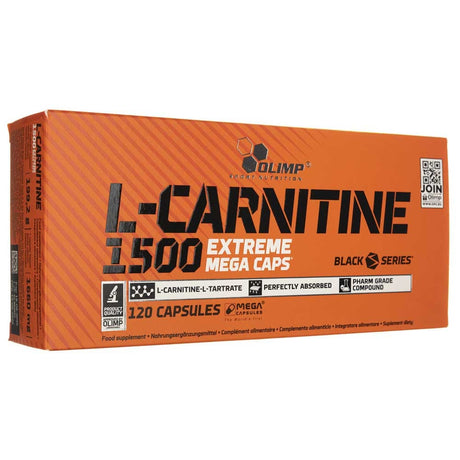


Olimp
Olimp L-Carnitin 1500 Extrem Mega-Kapseln - 120 Kapseln
Normaler Preis €30.99Grundpreis€0.26 pro Stück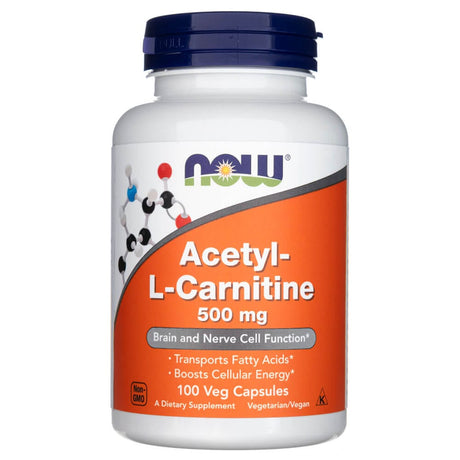


Now Foods
Now Foods Acetyl-L-Carnitin 500 mg - 100 Kapseln
Normaler Preis €17.29Grundpreis€0.17 pro Stück
Doctor's Best
Doctor's Best L-Carnitin 500 mg - 60 vegetarische Kapseln
Normaler Preis €27.49Grundpreis€0.46 pro Stück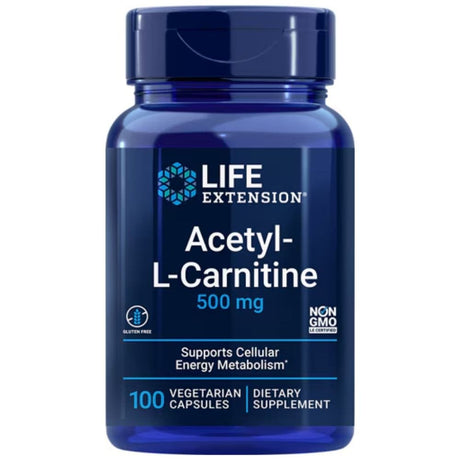

Life Extension
Life Extension Acetyl-L-Carnitin 500 mg - 100 Kapseln
Normaler Preis €35.89Grundpreis€0.36 pro Stück


L-Carnitin-Dosierung
L-Carnitin kommt natürlicherweise im Körper vor, doch Sportler und aktive Menschen greifen häufig auf zusätzliche Nahrungsergänzungsmittel zurück. Die empfohlene Dosis liegt zwischen 500 und 2000 mg täglich, je nach Lebensstil und individuellen Bedürfnissen.
Personen mit bestätigtem L-Carnitin-Mangel sollten höhere Dosen in Betracht ziehen. Zu den häufigsten Ursachen für einen Mangel gehören:
- Mangel an Nahrungsbestandteilen, die die L-Carnitin-Synthese unterstützen—nämlich Vitamin C, B6, Niacin (, B3), und Eisen
- Absorptionsstörungen, die die Nährstoffaufnahme beeinträchtigen
- Verminderte Aminosäurezufuhr, insbesondere bei vegetarischer und veganer Ernährung
- Erhöhte Ausscheidung von L-Carnitin über den Urin aufgrund von Leber- oder Nierenerkrankungen
- Erhöhter Bedarf bei fettreicher Ernährung oder intensivem körperlichem Training
Zur Steigerung der Trainingsleistung, wird oft empfohlen, L-Carnitin 60–90 Minuten vor dem Training eingenommen wird. Zur allgemeinen Unterstützung des Stoffwechsels, kann eine Aufteilung der Dosis auf morgens und nachmittags zu gleichmäßigeren Spiegeln über den Tag hinweg führen.
Nebenwirkungen von L-Carnitin
L-Carnitin ist ein relativ sicheres Produkt. Wie bei den meisten Nahrungsergänzungsmitteln kann jedoch eine Überdosierung mit Nebenwirkungen verbunden sein. Übermäßige Dosen können Übelkeit, Bauchschmerzen, Erbrechen und Durchfall verursachen. Diese aminoäureähnliche Verbindung ist in der Regel nicht allergen, allerdings können bei Personen mit Urämie oder Nierenversagen Muskelschwäche auftreten.
Zu den schwerwiegendsten Folgen eines L-Carnitin-Mangels im Körper zählen Schwäche und, als weitere Folge, Skelettmuskelabbau und sogar Herzmuskelinsuffizienz. Dies unterstreicht die Bedeutung eines ausreichenden Carnitinspiegels für die allgemeine Gesundheit.
Maximierung der Wirksamkeit von L-Carnitin
L-Carnitin ist ein hervorragendes Nahrungsergänzungsmittel zur Unterstützung des Strebens nach einem schlanken Körperbau, doch seine Wirkung ist am stärksten, wenn es mit körperlicher Aktivität kombiniert wird. Nur angemessene körperliche Betätigung aktiviert das volle Potenzial dieser Verbindung – ohne Training, werden die transportierten Fettsäuren einfach nicht zur Energiegewinnung oxidiert.
Für beste Ergebnisse mit L-Carnitin:
- Kombinieren Sie es mit Bewegung – insbesondere aerobe Aktivitäten fördern die Fettoxidation
- Nehmen Sie es zusammen mit Kohlenhydraten ein – Insulin hilft beim Transport von Carnitin in die Muskelzellen
- Seien Sie konsequent – Forschungsergebnisse deuten darauf hin, dass die Vorteile bei regelmäßiger Einnahme über mehrere Wochen zunehmen
- Unterstützen Sie die Wirkung mit Cofaktoren – Achten Sie auf eine ausreichende Zufuhr von Vitamin C, B6, Niacin, und Eisen
Für alle, die regelmäßig Sport- und Fitness Aktivitäten, L-Carnitin kann eine wertvolle Ergänzung einer umfassenden Nahrungsergänzungsstrategie, sein, insbesondere während Fettabbau-Phasen oder Phasen intensiven Trainings.
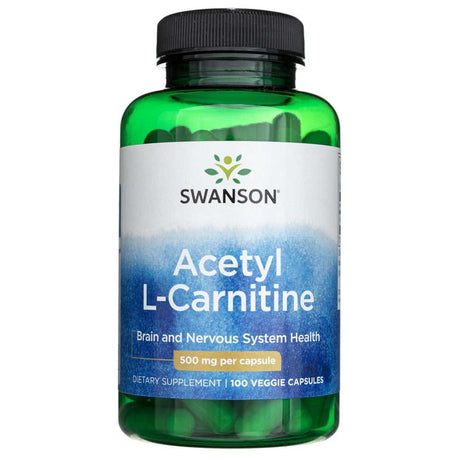


 Um 5% reduziert
Swanson
Swanson Acetyl-L-Carnitin 500 mg - 100 pflanzliche Kapseln
Verkaufspreis €21.60 Normaler Preis €22.79Grundpreis€0.22 pro Stück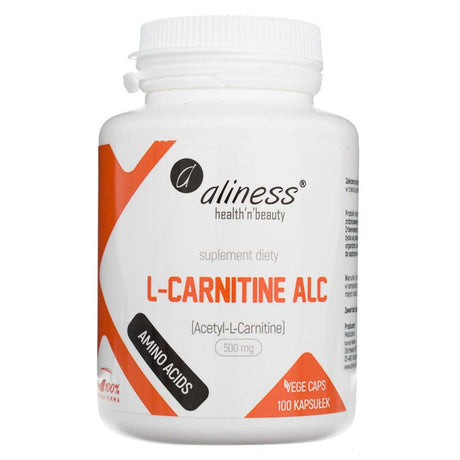


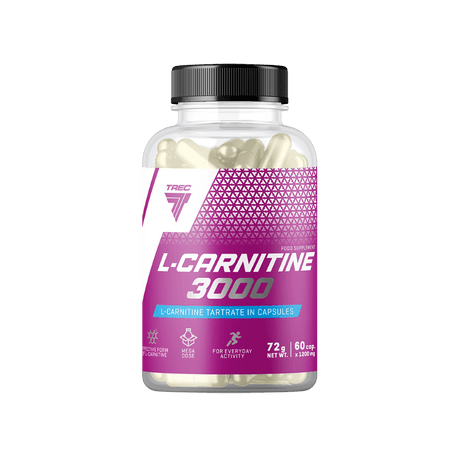


Für wen ist L-Carnitin geeignet?
Eine L-Carnitin-Supplementierung kann besonders vorteilhaft sein für:
- Sportler und aktive Menschen, die eine verbesserte Fettverwertung während des Trainings anstreben
- Personen mit Kaloriendefizit, die beim Fettabbau Muskelmasse erhalten möchten
- Vegetarier und Veganer, die möglicherweise eine geringere Carnitin-Zufuhr über die Nahrung haben
- Ältere Erwachsene, die ein gesundes Altern und die kognitiven Funktionen unterstützen möchten (insbesondere ALCAR)
- Männer, die ihren Testosteronspiegel und ihre reproduktive Gesundheit unterstützen möchten
- Alle, die unter Müdigkeit leiden oder ihren Energiestoffwechsel verbessern möchten
Fazit: L-Carnitin ist eine gut erforschte Verbindung, die den Fettstoffwechsel unterstützt, indem sie Fettsäuren zur Energiegewinnung in die Mitochondrien transportiert. Auch wenn es allein keine Wunder bewirkt, kann es in Kombination mit regelmäßiger Bewegung und einer ausgewogenen Ernährung, ein wertvolles Hilfsmittel für das Gewichtsmanagement, die Trainingsleistung, und die allgemeine Stoffwechselgesundheit sein. Wählen Sie Standard-L-Carnitin für die Fettverbrennung und Trainingsvorteile, oder Acetyl-L-Carnitin für zusätzliche Unterstützung der kognitiven Funktionen und des Anti-Aging-Prozesses.
Dieser Artikel dient nur der Information und ersetzt keine ärztliche Beratung. Bei gesundheitlichen Beschwerden, in der Schwangerschaft, Stillzeit oder bei Einnahme von Medikamenten wenden Sie sich an einen Arzt oder Apotheker. Nahrungsergänzungsmittel sind kein Ersatz für eine abwechslungsreiche Ernährung.


