

Die meisten Menschen wissen, dass der Verzehr von Fisch wichtig ist, aber nicht jeder versteht genau, warum. Es ist nicht der Fisch selbst, der am wichtigsten ist – es ist das, was er enthält. Meeresfrüchte gehören zu den reichhaltigsten Quellen für Omega-Fettsäuren, die für das reibungslose Funktionieren des menschlichen Körpers unerlässlich sind. Für Kinder, die vielleicht nicht immer begeistert davon sind, Fisch zu essen, sind Omega-Fettsäuren besonders wichtig. Sie unterstützen eine gesunde Entwicklung in jeder Wachstumsphase.
Was sind Omega-3-Fettsäuren?
Omega-Fettsäuren lassen sich in drei Haupttypen einteilen: Omega-3, Omega-6, und Omega-9. Alle drei gehören zur Gruppe der nützlichen gesättigten Fette, die oft als essentielle Fettsäuren (EFAs) bezeichnet werden. Der Begriff „essentiell“ ist hier entscheidend – der menschliche Körper kann diese Fette nicht selbst produzieren, sodass sie über die Ernährung oder Nahrungsergänzungsmittel zugeführt werden müssen.
Allen Omega-Fettsäuren gemeinsam ist ihre schützende Wirkung gegen Krankheiten. Darüber hinaus hat jede Art spezifische Funktionen. Omega-3-Fettsäuren basieren auf Alpha-Linolensäure (ALA) als Ausgangsverbindung, wobei die langKettenformen EPA (Eicosapentaensäure) und DHA (Docosahexaensäure), die für die Gesundheit besonders wichtig sind – vor allem bei Kindern.
Warum Omega-3 für Kinder so wichtig ist
Omega-3-Fettsäuren kommen zwar Menschen jeden Alters zugute, doch ihre Rolle in der Kindheit ist besonders bedeutend. Ein wachsender Körper ist auf diese Nährstoffe für die gesunde Entwicklung des Gehirns, der Augen, der Knochen, und des Immunsystems angewiesen. Schauen wir uns jeden dieser Bereiche im Detail an.
Gehirnentwicklung und kognitive Funktionen
Der vielleicht wichtigste Vorteil von Omega-3 für Kinder ist sein Einfluss auf die Gehirnentwicklung und die kognitiven Funktionen. Die regelmäßige Aufrechterhaltung eines ausreichenden Omega-3-Spiegels unterstützt die allgemeine Denkfähigkeit, verbessert das Gedächtnis und das Verständnis, und kann sogar die Kreativität fördern. Insbesondere DHA ist ein wichtiger struktureller Bestandteil des Hirngewebes.
Forschungsergebnisse deuten darauf hin, dass die positiven Auswirkungen bereits vor der Geburt beginnen – die Einnahme von Omega-3-Fettsäuren während der Schwangerschaft kann die Entwicklung des fetalen Gehirns positiv beeinflussen, und zu stärkeren kognitiven Fähigkeiten im späteren Leben beitragen. Omega-3-Fettsäuren unterstützen zudem eine gesunde Durchblutung des Gehirns und verbessern die Übertragung von Nervensignalen, was Kindern helfen kann, eine bessere motorische Koordination und anhaltende Konzentration zu entwickeln.
Sehkraft und Augengesundheit
Omega-3-Fettsäuren, und insbesondere DHA, spielen eine entscheidende Rolle bei Augengesundheit und Sehvermögen. Während der Schwangerschaft, kann ein Mangel an diesen essenziellen Fettsäuren zu einer Erkrankung namens Retinopathie, führen, die bei Neugeborenen zu schweren Sehstörungen führen kann. Bei älteren Kindern, wurde eine unzureichende Omega-3-Zufuhr mit einer höheren Anfälligkeit für Sehprobleme in Verbindung gebracht. Die Aufrechterhaltung eines gesunden Spiegels während der gesamten Kindheit und darüber hinaus kann auch dazu beitragen, später im Leben vor altersbedingter Makuladegeneration zu schützen.
Knochenstärke und Gelenkgesundheit
Wachsende Kinder brauchen starke Knochen, und Omega-3-Fettsäuren tragen direkt zu diesem Ziel bei. Diese essentiellen Fette unterstützen die Kalziumaufnahme – ein Prozess, der für die Entwicklung des Skeletts von grundlegender Bedeutung ist. Omega-3-Fettsäuren können auch zum Schutz vor Gelenksteifigkeit und Entzündungen beitragen, und so die aktive, schmerzfreie Bewegung unterstützen, die jedes Kind braucht.
Immunfunktion und Allergien
Ein weniger bekannter, aber zunehmend erforschter Vorteil von Omega-3-Fettsäuren ist ihr Einfluss auf das Immunsystem. Aktuelle Studien deuten darauf hin, dass essentielle Fettsäuren nicht nur zur Stärkung der allgemeinen Immunität beitragen, sondern auch eine Rolle bei der Vorbeugung und Bewältigung von Allergien spielen. Für Kinder, die in der Schule oder in Gruppen häufig Infektionen ausgesetzt sind, kann die Aufrechterhaltung eines angemessenen Omega-3-Spiegels eine sinnvolle Unterstützung darstellen.
Die besten Nahrungsquellen für Omega-3
Die reichhaltigsten natürlichen Quellen für Omega-3-Fettsäuren sind fettreicher Fisch und Meeresfrüchte – insbesondere Schalentiere wie Garnelen. Weitere wertvolle Quellen sind:
- Meeresprodukte — Lachs, Makrele, Sardinen, Hering, Garnelen, und Algen
- Nüsse und Samen — Walnüsse, Mandeln, Leinsamen, und Chiasamen
- Pflanzenöle — Rapsöl (, Canolaöl) und Leinsamenöl ,
Es ist zu beachten, dass Omega-3-Fettsäuren hitzeempfindlich sind und durch Kochen bei hohen Temperaturen geschädigt werden können. Wo immer möglich, bieten rohe oder minimal verarbeitete Quellen den größten Nährwert. Da jedoch, viele Kinder Fisch nur ungern essen,, können hochwertige Nahrungsergänzungsmittel, die speziell für den Geschmack junger Menschen entwickelt wurden, eine praktische und wirksame Alternative sein.
Wie viel Omega-3 benötigt ein Kind?
Die empfohlene tägliche Omega-3-Zufuhr für Kinder beträgt etwa 1,5 g. In der Praxis bedeutet dies, mindestens zweimal pro Woche etwa 300 g Fisch oder gleichwertige Omega-3-Quellen wie Rapsöl oder Nüsse zu verzehren. Ebenso wichtig ist es, das richtige Gleichgewicht zwischen Omega-3- und Omega-6-Fettsäuren aufrechtzuerhalten. Obwohl beide essenziell sind, kann eine übermäßige Omega-6-Zufuhr in Verbindung mit unzureichendem Omega-3 zu Gesundheitsproblemen, einschließlich entzündlicher Erkrankungen, führen. Das ideale Verhältnis von Omega-3 zu Omega-6 liegt bei etwa 1:5. Die regelmäßige Einbeziehung von Fischgerichten in die Ernährung eines Kindes ist eine der einfachsten Möglichkeiten, dieses Gleichgewicht aufrechtzuerhalten.
Omega-3-Nahrungsergänzungsmittel für Kinder
Wenn die Ernährung allein nicht ausreicht, Omega-3-Nahrungsergänzungsmittel bieten eine zuverlässige Möglichkeit, um sicherzustellen, dass Kinder ausreichend essentielle Fettsäuren erhalten. Moderne Kinderformeln sind in einer Vielzahl von kinderfreundlichen Formaten erhältlich – von aromatisierten flüssigen Ölen und kaubaren Softgels bis hin zu leicht zu schluckenden Minikapseln. Hier finden Sie eine Auswahl an bewährten Omega-3-Nahrungsergänzungsmitteln, die speziell für die Gesundheit von Kindern entwickelt wurden:
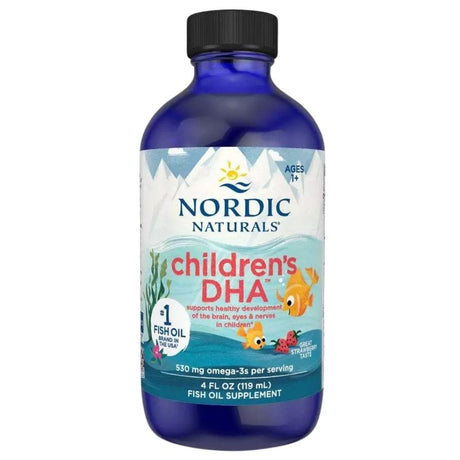


Nordic Naturals
Nordic Naturals DHA für Kinder, Erdbeergeschmack - 119 ml
Normaler Preis €19.19Grundpreis€161.26 /l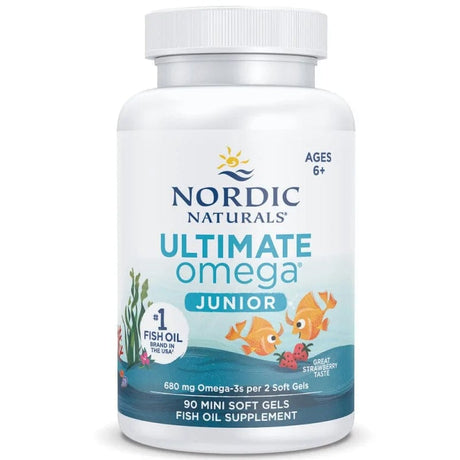
Nordic Naturals
Nordic Naturals Ultimate Omega Junior, Erdbeere - 90 Kapseln
Normaler Preis €29.29Grundpreis€0.33 pro Stück

Nordic Naturals
Nordic Naturals Babys DHA 1050 mg Omega-3 + Vitamin D3 300 IE - 60 ml
Normaler Preis €17.89Grundpreis€29.82 /100ml


Vitaler's
Vitaler's Norwegisches Lebertran für Kinder, 1250 mg – 250 ml
Normaler Preis €10.19Grundpreis€40.76 /l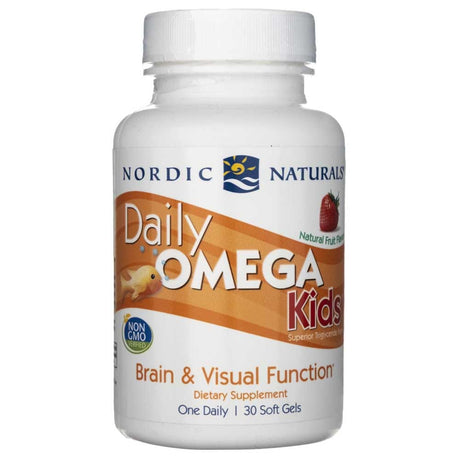


Nordic Naturals
Nordic Naturals Daily Omega Kids Natürliche Früchte - 30 Weichkapseln
Normaler Preis €12.39Grundpreis€0.41 pro Stück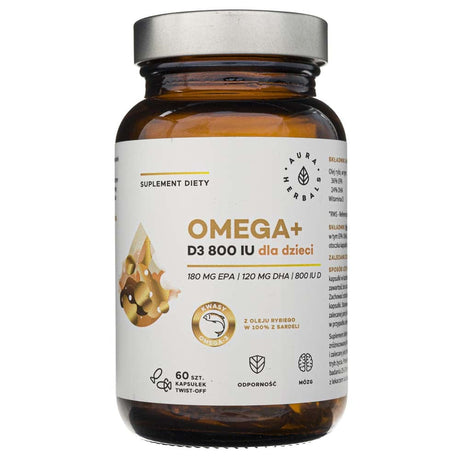


Aura Herbals
Aura Herbals Omega Vitamin D3 800 IE für Kinder - 60 Twist-off-Kapseln
Normaler Preis €6.89Grundpreis€0.11 pro Stück


Für ältere Kinder und Jugendliche, die Kapseln in Standardgröße vertragen, bieten diese Optionen höhere Konzentrationen an EPA und DHA:



Purelab Marek Skoczylas
Skoczylas Estromega, Omega-3-Fischsäuren Junior, Banane - 150 ml
Normaler Preis €19.19Grundpreis€127.93 /l


Wichtigste Erkenntnis: Omega-3-Fettsäuren sind für die Gehirnentwicklung, das Sehvermögen, die Knochenstärke, und die Immunfunktion von Kindern unerlässlich. Streben Sie eine tägliche Zufuhr von etwa 1,5 g über die Ernährung oder Nahrungsergänzungsmittel an, und achten Sie auf ein gesundes Verhältnis von Omega-3 zu Omega-6 von 1:5. Omega-3-Fettsäuren aus Fisch ((EPA und DHA)) bieten die größten Vorteile, und kindgerechte Nahrungsergänzungsmittel können die Lücke füllen, wenn die Zufuhr über die Ernährung nicht ausreicht.
Dieser Artikel dient nur der Information und ersetzt keine ärztliche Beratung. Bei gesundheitlichen Beschwerden, in der Schwangerschaft, Stillzeit oder bei Einnahme von Medikamenten wenden Sie sich an einen Arzt oder Apotheker. Nahrungsergänzungsmittel sind kein Ersatz für eine abwechslungsreiche Ernährung.


