

Der Sommer ist die Zeit für Aktivitäten im Freien – doch extreme Hitze und direkte Sonneneinstrahlung bergen echte Gesundheitsrisiken. Der Hitzschlag, manchmal auch als „Hitzschlag“ bezeichnet, ist eine der schwerwiegendsten hitzebedingten Erkrankungen – ein medizinischer Notfall, bei dem das Temperaturregulationssystem des Körpers versagt. Zu wissen, wie man ihn erkennt, darauf reagiert und ihm vorbeugt, kann Leben retten. Dieser Artikel behandelt die Ursachen, Symptome, Erste-Hilfe-Maßnahmen, die entscheidende Rolle von Elektrolyten bei der Erholung sowie den Schutz der am stärksten gefährdeten Personen.
Was ist ein Hitzschlag und wie entsteht er?
Ein Hitzschlag (Hyperthermie) tritt auf, wenn die Körpertemperatur auf 40 °C (104 °F) oder mehr ansteigt und die normalen Kühlmechanismen – in erster Linie das Schwitzen – dies nicht mehr ausgleichen können. Die Folge ist ein gefährlicher, unkontrollierter Anstieg der Körpertemperatur, der innerhalb von Minuten irreversible Schäden an Gehirn, Herz, Nieren, und anderen Organen verursachen kann, wenn er nicht umgehend behandelt wird.
Es ist wichtig, einen Hitzschlag von der milderen Hitzeerschöpfung zu unterscheiden, die ihm vorausgeht. Eine Hitzeerschöpfung geht mit starkem Schwitzen, Schwäche, blasser und klammer Haut, Übelkeit, und einer normalen oder leicht erhöhten Körpertemperatur einher – sie ist ein Warnsignal, dass der Körper zu kämpfen hat, das Kühlsystem aber noch funktioniert. Ein Hitzschlag stellt den Punkt dar, an dem dieses System versagt hat: Das Schwitzen hört auf, die Haut wird heiß und trocken, und es treten neurologische Symptome auf. Eine Hitzeerschöpfung, führt, wenn sie nicht behandelt wird, zu einem Hitzschlag.
Ursachen und Risikofaktoren
Ein Hitzschlag entsteht, wenn die Wärmezufuhr die Fähigkeit des Körpers übersteigt, diese abzuleiten. Zu den wichtigsten Faktoren gehören:
- Hohe Umgebungstemperatur — längere Exposition bei Temperaturen über 35 °C, insbesondere während der Spitzenzeiten (von 10:00 bis 16:00 Uhr), vor allem in direkter Sonneneinstrahlung.
- Hohe Luftfeuchtigkeit — feuchte Luft beeinträchtigt die Verdunstungskühlung (das Schwitzen), und verringert die Fähigkeit des Körpers, seine Temperatur zu regulieren, erheblich.
- Dehydrierung – unzureichende Flüssigkeitsaufnahme verringert das Blutvolumen und beeinträchtigt die Schweißbildung. Dies ist der am besten vermeidbare Risikofaktor.
- Intensive körperliche Aktivität – körperliche Betätigung unter heißen Bedingungen erzeugt große Mengen an innerer Wärme. Bauarbeiter, Sportler, und Festivalbesucher sind besonders gefährdet.
- Ungeeignete Kleidung – dunkle, enge, oder synthetische Kleidung, die Wärme speichert und die Verdunstung verhindert.
- Geschlossene, heiße Räume — geparkte Autos, unbelüftete Räume, und überfüllte Räume können schnell gefährliche Temperaturen erreichen, insbesondere für Kinder und ältere Menschen, die darin zurückgelassen werden.
- Bestimmte Medikamente – Diuretika, Antihistaminika, Betablocker, und Antipsychotika – können die Hitzetoleranz beeinträchtigen. Wenn Sie regelmäßig Medikamente einnehmen, besprechen Sie Vorsichtsmaßnahmen bei heißem Wetter mit Ihrem Arzt.
Die Symptome erkennen
Eine frühzeitige Erkennung ist entscheidend – Symptome können sich schnell von beherrschbar zu lebensbedrohlich entwickeln. Das folgende Muster ist typisch:
Frühwarnzeichen (Hitzschlag-Stadium)
- Starkes Schwitzen, blasse und kühle Haut
- Schwäche und Müdigkeit
- Übelkeit, manchmal Erbrechen
- Kopfschmerzen und Schwindel
- Muskelkrämpfe (oft in den Beinen und im Bauchraum)
- Erhöhte Herzfrequenz
Hitzschlag-Symptome (Notfall)
- Körpertemperatur über 40 °C — der entscheidende Schwellenwert
- Ausbleiben des Schwitzens — Haut ist heiß, trocken, und gerötet oder rot (ein entscheidendes Unterscheidungsmerkmal zur Hitzeerschöpfung)
- Starke Kopfschmerzen — stark, pochend, nicht durch Ruhe gelindert
- Verwirrung, Desorientierung, Unruhe, oder ungewöhnliches Verhalten — ein neurologisches Symptom, das auf eine Beteiligung des Gehirns hindeutet und sofortige Notfallmaßnahmen erfordert
- Unklare Sprache oder Koordinationsstörungen
- Schnelle, flache Atmung und erhöhter Puls
- Bewusstlosigkeit – ein medizinischer Notfall; rufen Sie sofort Hilfe
Erste Hilfe: Was zu tun ist
Die Schnelligkeit der Reaktion entscheidet über den Ausgang. Das Ziel ist es, die Körpertemperatur so schnell wie möglich zu senken, während auf professionelle medizinische Hilfe gewartet wird.
Bei Hitzeerschöpfung (Die Person ist bei Bewusstsein und ansprechbar)
- Bringen Sie die Person sofort an einen kühlen, schattigen Ort oder in einen klimatisierten Raum.
- Entfernen Sie überflüssige Kleidung und lockern Sie alles, was eng sitzt.
- Kühles (, aber kein eiskaltes) Wasser auf die Haut auftragen – insbesondere auf Stirn, Nacken, Achselhöhlen, und Leistengegend, wo die Blutgefäße nahe an der Oberfläche liegen.
- Fächeln Sie der Person Luft zu, um die Verdunstungskühlung zu fördern.
- Lassen Sie sie kühles Wasser oder ein Elektrolytgetränk in kleinen, häufigen Schlucken trinken. Vermeiden Sie Alkohol und Koffein.
- Lassen Sie die Person sich hinlegen, wobei die Beine leicht angehoben sind, um die Durchblutung des Gehirns aufrechtzuerhalten.
- Beobachten Sie die Person genau. Wenn sich die Symptome verschlimmern oder sich nicht innerhalb von 30 Minuten bessern, rufen Sie medizinische Hilfe.
Bei Hitzschlag (ist die Person verwirrt, reagiert nicht, oder hat sehr hohe Temperatur)
- Rufen Sie sofort den Rettungsdienst.
- Bringen Sie die Person an einen kühlen Ort.
- Beginnen Sie sofort mit intensiver Kühlung, ohne auf Hilfe zu warten: Legen Sie kaltes Wasser, Eisbeutel, oder feuchte Tücher auf Nacken, Achselhöhlen, und Leistengegend. Falls verfügbar, tauchen Sie die Gliedmaßen in kaltes Wasser. Geben Sie einer verwirrten oder bewusstlosen Person keine Flüssigkeiten über den Mund – es besteht Aspirationsgefahr.
- Wenn die Person bewusstlos ist, bringen Sie sie in die R-Ecover-Y-Position und überwachen Sie die Atmung, bis Hilfe eintrifft.
Warum Elektrolyte für die Erholung Ecover y
entscheidend sind Wasser allein reicht nicht immer aus, um sich von einer schweren hitzebedingten Erkrankung zu erholen. Bei starkem Schwitzen verliert der Körper nicht nur Flüssigkeit, sondern auch essentielle Mineralien – zusammenfassend als Elektrolyte bezeichnet –, die die Kommunikation der Zellen, die Muskelkontraktion und den Herzschlag steuern.
Die wichtigsten Elektrolyte, die durch Schweiß verloren gehen, und ihre Funktionen:
- Natrium – hält den Flüssigkeitshaushalt aufrecht und unterstützt die Nerven- und Muskelfunktion. Der wichtigste Elektrolyt, der über den Schweiß verloren geht; sein Mangel trägt zu Kopfschmerzen, Übelkeit, und Krämpfen bei.
- Kalium – unerlässlich für die Muskelkontraktion und den Herzrhythmus. Niedrige Kaliumwerte können zu Muskelschwäche und gefährlichen Herzrhythmusstörungen führen.
- Magnesium – an über 300 enzymatischen Reaktionen beteiligt; entscheidend für die Muskelfunktion, die Nervenübertragung, und die Regulierung der Körpertemperaturreaktion. Ein Mangel äußert sich in Krämpfen, Zittern, und Müdigkeit.
- Kalzium – trägt zur Muskelkontraktion, zur Nervenfunktion, und zum Gefäßtonus bei.
Der Ersatz dieser Mineralstoffe – durch isotonische Getränke, Elektrolyttabletten, oder orale Rehydrationslösungen – stellt die normale physiologische Funktion wirksamer wieder her als reines Wasser, das die verbleibenden Elektrolyte sogar verdünnen kann, wenn es in großen Mengen ohne Mineralstoffersatz konsumiert wird.
Für aktive Menschen, die sich im Sommer bei Hitze im Freien aufhalten, ist es sinnvoll, immer einen Vorrat an Elektrolytprodukten griffbereit zu haben. Entdecken Sie unsere Kollektion an isotonischen Getränken für eine Reihe von Optionen, die sowohl für den Sport als auch zur allgemeinen Rehydrierung geeignet sind:
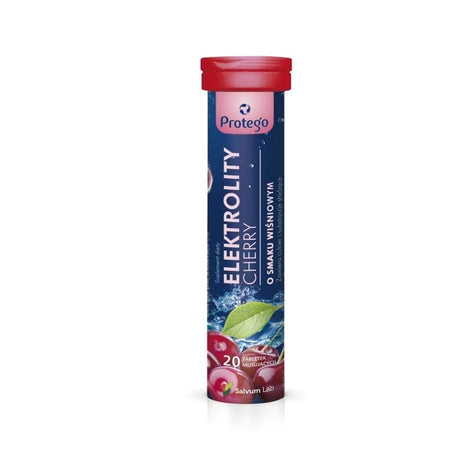
Magnesium verdient besondere Beachtung, da es sowohl ein Mineral bei Hitzestress ist als auch in der Allgemeinbevölkerung häufig Mangelerscheinungen aufweist. Unsere Magnesiumpräparate-Kollektion umfasst hoch bioverfügbare Citrat- und Chelatformen:



Swanson
Swanson Triple Magnesium Complex 400 mg - 100 Kapseln
Normaler Preis €5.39Grundpreis€0.05 pro Stück


Now Foods
Now Foods Magnesiumzitrat 400 mg - 120 pflanzliche Kapseln
Normaler Preis €17.09Grundpreis€0.14 pro Stück


Vorbeugung: So schützen Sie sich
Die überwiegende Mehrheit der hitzebedingten Erkrankungen lässt sich durch einfache Maßnahmen verhindern:
- Trinken Sie proaktiv – warten Sie nicht, bis Sie Durst verspüren. Trinken Sie an heißen Tagen 2–3 Liter Flüssigkeit täglich, bei körperlicher Aktivität auch mehr. Beginnen Sie mit der Flüssigkeitszufuhr, bevor Sie nach draußen gehen, nicht erst, wenn Sie bereits im Freien sind.
- Meiden Sie die Stunden mit der stärksten Sonneneinstrahlung – zwischen 10:00 und 16:00 Uhr, sind UV-Strahlung und Temperatur am höchsten. Planen Sie Aktivitäten im Freien für den frühen Morgen oder den Abend ein.
- Kleiden Sie sich angemessen – leichte, locker sitzende, helle Kleidung; breitkrempige Hüte; UV-schützende Stoffe, sofern verfügbar.
- Verwenden Sie Sonnenschutz — Sonnenschutzmittel mit hohem Lichtschutzfaktor UNS auf allen unbedeckten Hautpartien reduziert die Absorption von Strahlungswärme und beugt Sonnenbrand vor, der die Fähigkeit der Haut zur Temperaturregulierung beeinträchtigt. Alle 2 Stunden erneut auftragen.
- Gewöhnen Sie sich langsam an die Hitze – wenn Sie im Sommer bei Hitze mit körperlicher Aktivität im Freien beginnen, geben Sie Ihrem Körper 7–14 Tage Zeit, sich anzupassen; reduzieren Sie während dieser Zeit, die Intensität und Dauer.
- Lassen Sie niemals jemanden in einem geparkten Auto zurück – der Innenraum eines Autos kann in direkter Sonneneinstrahlung innerhalb von Minuten 50 °C erreichen. Dies ist besonders gefährlich für Kinder und Haustiere.
Risikogruppen
Kinder
Kinder haben einen höheren Stoffwechsel und eine geringere Körpermasse, was bedeutet, dass sie sich schneller aufheizen als Erwachsene und über eine geringere Körperwasserreserve verfügen. Außerdem sind sie darauf angewiesen, dass Erwachsene Symptome erkennen und handeln. Kinder sollten bei Aktivitäten im Freien regelmäßig Wasser trinken, auch wenn sie sagen, dass sie keinen Durst haben, Hüte und leichte Kleidung tragen, und intensives Spielen während der Spitzenzeiten vermeiden. Produkte, die auf den Elektrolytbedarf von Kindern abgestimmt sind, finden Sie in unserer Kinder-Gesundheitskollektion – achten Sie auf niedrig dosierte, kindgerechte Formulierungen wie Protego Electrolytes Junior.
Ältere Erwachsene
Das Altern geht mit einem verminderten Durstgefühl, einer beeinträchtigten Schweißbildung, einer verminderten Nierenfunktion, und einer höheren Prävalenz von Medikamenten einher, die die Hitzetoleranz beeinflussen. Ältere Menschen erkennen möglicherweise erst dann, dass sie überhitzt sind, wenn die Symptome bereits fortgeschritten sind. Die tägliche Flüssigkeitsaufnahme sollte bewusst aufrechterhalten werden, und nicht allein dem Durst überlassen werden,; soziale Kontaktaufnahmen während Hitzewellen sind für alleinlebende Senioren von großer Bedeutung.
Schwangere Frauen
Eine Schwangerschaft erhöht das Blutvolumen und die metabolische Wärmeproduktion, und hormonelle Veränderungen beeinflussen die Thermoregulation. Dehydrierung während der Schwangerschaft birgt Risiken, die über Hitzekrankheiten hinausgehen – darunter vorzeitige Wehen und eine verminderte Durchblutung der Plazenta. Schwangere Frauen sollten besonders auf eine ausreichende Flüssigkeitszufuhr achten, längere Sonnenexposition vermeiden, und ihre Hebamme oder ihren Arzt bezüglich einer Elektrolytzufuhr bei heißem Wetter konsultieren.
Mögliche Komplikationen eines unbehandelten Hitzschlags
Ein Hitzschlag, der nicht umgehend und wirksam behandelt wird, kann zu bleibenden Organschäden führen. Das Gehirn ist das am stärksten gefährdete Organ – hohe Temperaturen stören rasch die neurologischen Funktionen, und anhaltende Hyperthermie kann zu dauerhaften kognitiven Beeinträchtigungen führen. Auch die Nieren sind einem hohen Risiko ausgesetzt, insbesondere durch Rhabdomyolyse – den Abbau von Muskelgewebe, bei dem Myoglobin in den Blutkreislauf freigesetzt wird, was zu akutem Nierenversagen führen kann. In den schwersten Fällen, kann es zu einem Multiorganversagen kommen, das eine Intensivbehandlung erfordert.
Diese Folgen sind nicht unvermeidlich. Eine schnelle Kühlung, die innerhalb der ersten Minuten nach Beginn des Hitzschlags eingeleitet wird, verbessert die Prognose erheblich. Die Kernbotschaft ist einfach: schnell handeln, zuerst kühlen, Hilfe rufen.
Dieser Artikel dient nur der Information und ersetzt keine ärztliche Beratung. Bei gesundheitlichen Beschwerden, in der Schwangerschaft, Stillzeit oder bei Einnahme von Medikamenten wenden Sie sich an einen Arzt oder Apotheker. Nahrungsergänzungsmittel sind kein Ersatz für eine abwechslungsreiche Ernährung.


