

N-Acetylcystein ist eine Verbindung, über die in der Welt der Nahrungsergänzungsmittel zunehmend diskutiert wird. NAC ist ein Derivat der Aminosäure L-Cystein und wird seit den 1960er Jahren in der Medizin eingesetzt. Trotz wachsenden wissenschaftlichen Interesses – mit über 600 auf ClinicalTrials.gov registrierten klinischen Studien – ist NAC vielen Menschen nach wie vor relativ unbekannt. Was genau ist diese Verbindung, in welchen Formen ist sie erhältlich, und worauf sollten Sie bei der Auswahl eines Nahrungsergänzungsmittels achten? Was ist N-Acetylcystein (NAC)? N-Acetylcystein – allgemein als NAC abgekürzt – ist eine einfache organische Verbindung, die aus der Aminosäure L-Cystein gewonnen wird. Aus chemischer Sicht, handelt es sich um die N-Acetylform von Cystein, was bedeutet, dass das Cysteinmolekül durch eine Acetylgruppe „geschützt“ wurde. Diese Modifikation verleiht NAC eine deutlich höhere Stabilität als reinem Cystein, das in seiner freien Form UNS instabil ist und vom Verdauungstrakt nur schlecht resorbiert wird.
Wichtig zu wissen ist, dass NAC nicht natürlich in Lebensmitteln vorkommt. Die einzige Möglichkeit, dem Körper diese Verbindung zuzuführen, ist die Einnahme von Nahrungsergänzungsmitteln. Nach der Einnahme wird NAC resorbiert und in der Leber zu Cystein metabolisiert, das wiederum als eine der drei Aminosäuren dient, aus denen Glutathion besteht – ein Tripeptid, das in jeder Zelle des menschlichen Körpers vorkommt.
Die Beziehung zwischen NAC und Glutathion
Um zu verstehen, warum N-Acetylcystein so viel wissenschaftliche Aufmerksamkeit auf sich zieht, lohnt es sich, Glutathion (GSH) genauer unter die Lupe zu nehmen. Glutathion ist ein im menschlichen Körper natürlich vorkommendes Tripeptid, das eine zentrale Rolle im körpereigenen Abwehrsystem spielt. Sein Spiegel kann aufgrund verschiedener Faktoren sinken, darunter Alter, Stress, Umwelteinflüsse, eine unausgewogene Ernährung und verschiedene Stoffwechselprozesse.
Da NAC als Vorläufer von Cystein dient – einer der für die intrazelluläre Glutathion-Synthese essenziellen Aminosäuren –, hat es sich zu einem der am intensivsten erforschten Ansätze zur Unterstützung der Glutathion-Verfügbarkeit im Körper entwickelt. Hunderte wissenschaftlicher Arbeiten wurden veröffentlicht, die die Rolle von NAC in verschiedenen biochemischen und klinischen Kontexten analysieren. Wenn Sie sich direkt für eine Glutathion-Supplementierung interessieren, können Sie auch unsere L-Glutathion-Kollektion erkunden.
NAC in der Medizin
N-Acetylcystein hat einen festen Platz als Substanz in der klinischen Medizin. Seit den 1960er Jahren, wird es im Gesundheitswesen, vor allem als schleimlösendes Mittel eingesetzt – es hilft, die Viskosität des Schleims in den Atemwegen zu verringern. In vielen europäischen Ländern, ist NAC sowohl als Arzneimittel als auch als Nahrungsergänzungsmittel erhältlich. In der klinischen Praxis wird N-Acetylcystein intravenös als Gegenmittel bei einer Paracetamol-Vergiftung verabreicht. Dies ist eine der am besten dokumentierten Anwendungen von NAC in der Notfallmedizin.
Forscher untersuchen NAC zudem weiterhin in vielen anderen Bereichen. Veröffentlichte wissenschaftliche Arbeiten befassen sich mit der Rolle von N-Acetylcystein im Zusammenhang mit oxidativen Prozessen, dem Homocystein-Stoffwechsel, und potenziellen Anwendungen in der Pulmologie, Nephrologie, Neurologie, und Gynäkologie. Es ist jedoch anzumerken, dass viele dieser Studien vorläufiger Natur sind und einer weiteren Überprüfung in größeren Forschungsgruppen bedürfen.
Verfügbare Formen von NAC-Nahrungsergänzungsmitteln
N-Acetylcystein ist als Nahrungsergänzungsmittel in verschiedenen Formen erhältlich. Die Wahl der richtigen Form hängt von individuellen Vorlieben und Erwartungen hinsichtlich der Anwendungsfreundlichkeit ab.
Kapseln und Tabletten
Kapseln und Tabletten sind die beliebteste Form der NAC-Supplementierung. Kapseln können auf Gelatinebasis oder auf pflanzlicher Basis hergestellt sein (HPMC), was für Veganer ein wichtiger Unterschied ist. Der Markt bietet sowohl Standardformulierungen als auch Retardtabletten an, die eine allmähliche Freisetzung des Wirkstoffs über einen längeren Zeitraum gewährleisten. Standardkapseln enthalten in der Regel 500–600 mg NAC pro Einheit, während hochdosierte Tabletten bis zu 1000 mg pro Portion bieten können.
Brausetabletten
Brausetabletten sind eine praktische Alternative für diejenigen, die eine flüssige Form bevorzugen. Sie enthalten in der Regel 600 mg NAC pro Tablette, sind in verschiedenen Geschmacksrichtungen erhältlich, und müssen lediglich in einem Glas Wasser aufgelöst werden. Diese Darreichungsform kann besonders für Menschen attraktiv sein, denen das Schlucken von Kapseln Unbehagen bereitet.
Kombinationsformeln
Kombinationsformeln kombinieren NAC mit anderen ergänzenden Inhaltsstoffen. Beliebte Kombinationen sind unter anderem NAC mit Pflanzenextrakten wie Mariendistel (zur Unterstützung der Leber), sowie Formeln, die mit Selen, Molybdän, oder anderen Aminosäuren und Vitamine. Diese Produkte sind für diejenigen gedacht, die eine breitere, Multi-Target-Unterstützung durch ein einziges Nahrungsergänzungsmittel suchen.
NAC-Dosierung
N-Acetylcystein ist eine Substanz mit einem gut etablierten Sicherheitsprofil – sie wird seit über 60 Jahren in der Medizin eingesetzt. Da NAC nicht als essenzieller Nährstoff eingestuft ist, gibt es keine offiziellen Referenzwerte für die Ernährung (RDA/RWS), die dafür festgelegt wurden.
In Nahrungsergänzungsmitteln, liegen die gängigsten NAC-Dosierungen zwischen 150 mg und 1000 mg pro Portion. In der klinischen Praxis, empfehlen medizinische Fachkräfte je nach Anwendungszweck Dosierungen im Bereich von 600–1800 mg pro Tag,. Nahrungsergänzungsmittel sollten stets gemäß den auf dem Produktetikett abgedruckten Anweisungen des Herstellers eingenommen werden.
NAC kann zu verschiedenen Tageszeiten eingenommen werden – entweder zu einer Mahlzeit oder auf nüchternen Magen. Einige Quellen raten davon ab, NAC unmittelbar vor dem Schlafengehen einzunehmen, da dies bei manchen Personen die Schlafqualität beeinträchtigen kann. Im Allgemeinen wird ein Abstand von mindestens 3–4 Stunden zwischen der letzten Dosis und dem Schlafengehen empfohlen.
So wählen Sie das richtige NAC-Präparat aus
Der Markt für NAC-Präparate ist sehr vielfältig. Um eine fundierte Entscheidung zu treffen, lohnt es sich, auf mehrere wichtige Faktoren zu achten.
Dosierung pro Portion — NAC-Präparate sind in einer breiten Palette von Dosierungen erhältlich, von 150 mg bis 1000 mg pro Kapsel oder Tablette. Wählen Sie eine Dosis, die Ihren individuellen Bedürfnissen und etwaigen Empfehlungen von Fachleuten entspricht.
Reinheit der Inhaltsstoffe – Produkte mit einer sauberen, einfachen Zusammensetzung – frei von unnötigen Füllstoffen und Hilfsstoffen – werden von erfahrenen Verbrauchern oft bevorzugt. Überprüfen Sie immer die vollständige Liste der Inhaltsstoffe auf dem Etikett.
Produktform – Kapseln, Tabletten, Brausetabletten, oder Formulierungen mit verzögerter Freisetzung. Jede hat ihre Vorteile: pflanzliche Kapseln eignen sich für Veganer, Brausetabletten eignen sich für diejenigen, die Flüssigkeiten bevorzugen, und Tabletten mit verzögerter Freisetzung bieten eine gleichmäßige Wirkstoffabgabe über den Tag verteilt.
Markenruf – wählen Sie Nahrungsergänzungsmittel von etablierten Herstellern, die die GMP-Standards (Good Manufacturing Practice) (einhalten und die Produktqualität durch entsprechende Zertifizierungen bestätigen können. Marken wie Now Foods, Swanson, Life Extension, Jarrow Formulas, und Solgar verfügen über langjährige Erfahrung in der Nahrungsergänzungsmittelbranche.
Preis pro Portion – vergleichen Sie nicht nur den Preis pro Packung, sondern auch die Kosten pro Einzelportion. Größere Packungen bieten in der Regel ein besseres Preis-Leistungs-Verhältnis pro Kapsel oder Tablette.
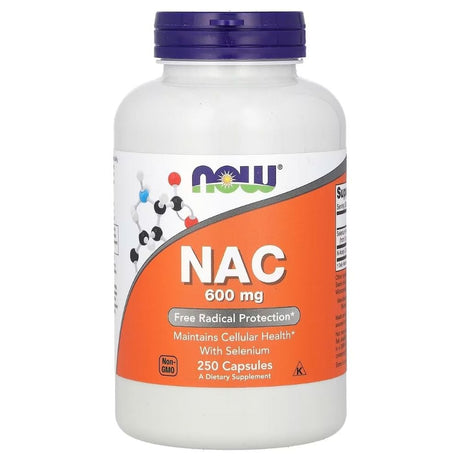

Now Foods
Now Foods NAC N-Acetyl Cystein 600 mg - 250 pflanzliche Kapseln
Normaler Preis €35.99Grundpreis€0.14 pro Stück

Life Extension
Life Extension N-Acetyl-L-Cystein (NAC) 600 mg - 60 Kapseln
Normaler Preis €15.69Grundpreis€0.26 pro Stück


Jarrow Formulas
Jarrow Formulas NAC Sustain® N-Acetylcystein - 60 Tabletten
Normaler Preis €22.89Grundpreis€0.38 pro Stück
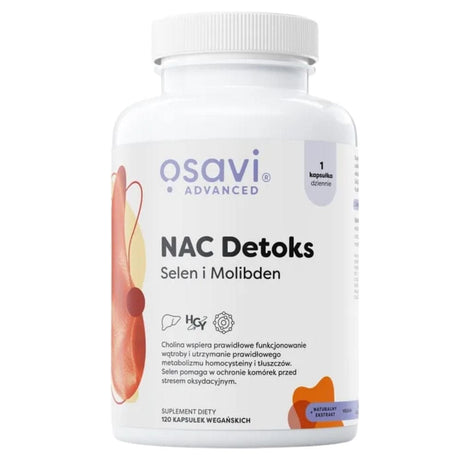
Osavi
Osavi NAC Detox, Selen & Molybdän - 120 Kapseln
Normaler Preis €18.39Grundpreis€0.15 pro Stück


Für eine umfassendere Unterstützung bei der Antioxidation und Entgiftung, entdecken Sie unsere Antioxidantien-Nahrungsergänzungsmittel oder stöbern Sie in der Entgiftungs- und Reinigungskollektion nach ergänzenden Produkten.
Dieser Artikel dient ausschließlich zu Informations- und Aufklärungszwecken. Er stellt keine medizinische Beratung oder Empfehlung zur Behandlung einer Erkrankung dar. Wenn Sie gesundheitliche Bedenken haben, wenden Sie sich bitte an einen Arzt.
Wichtigste Erkenntnis: N-Acetylcystein ist ein gut erforschtes Derivat von L-Cystein, das seit über sechs Jahrzehnten in der Medizin eingesetzt wird. Als Vorläufer von Glutathion – dem wichtigsten intrazellulären Antioxidans des Körpers – hat sich NAC zu einem der am besten untersuchten Aminosäurepräparate auf dem Markt entwickelt. Egal, ob Sie sich für Kapseln, Retardtabletten, Brausetabletten, oder Kombinationspräparate, entscheiden – achten Sie auf Dosierungsgenauigkeit, Reinheit der Inhaltsstoffe, und die Zuverlässigkeit der Marke, um den größtmöglichen Nutzen aus Ihrer Nahrungsergänzung zu ziehen.
Dieser Artikel dient nur der Information und ersetzt keine ärztliche Beratung. Bei gesundheitlichen Beschwerden, in der Schwangerschaft, Stillzeit oder bei Einnahme von Medikamenten wenden Sie sich an einen Arzt oder Apotheker. Nahrungsergänzungsmittel sind kein Ersatz für eine abwechslungsreiche Ernährung.


