

Der weibliche und der männliche Körper unterscheiden sich grundlegend voneinander. Sie benötigen etwas unterschiedliche Nährstoffe und pflanzliche Wirkstoffe, um die Prozesse zu unterstützen, die dafür sorgen, dass sie optimal funktionieren. Alte Medizinsysteme haben diesen Unterschied schon vor langer Zeit erkannt. Ayurveda, eine der ältesten medizinischen Traditionen der Welt, erkannte, dass Frauen spezifische pflanzliche Unterstützung für die besonderen Herausforderungen des weiblichen Körpers benötigen. Aus diesem Verständnis entstand die Verwendung von Shatavari – einer Pflanze, deren traditionelle Anwendungsgebiete fast wie maßgeschneidert für das Wohlbefinden von Frauen erscheinen.
Was ist Shatavari?
Shatavari ((Asparagus racemosus)) ist eine Wildspargelart, die seit Jahrhunderten in der traditionellen Kräutermedizin verwendet wird. Sein Ruf gründet sich vor allem auf seine tiefen Wurzeln im Ayurveda, wo es seit langem als eines der wichtigsten Kräuter für die weibliche Gesundheit gilt. Tatsächlich wird Shatavari oft als die „Königin der Kräuter“ bezeichnet – ein Titel, der direkt auf ihre traditionelle Rolle bei der Förderung des Wohlbefindens von Frauen hinweist. Über den Ayurveda hinaus schätzen auch zwei andere klassische indische Medizinsysteme – Siddha und Unani – diese Pflanze wegen ihrer vielfältigen traditionellen Anwendungsmöglichkeiten. Das Wort „Shatavari“ lässt sich aus dem Sanskrit grob mit „diejenige, die hundert Ehemänner besitzt“ übersetzen – ein poetischer Hinweis auf die traditionelle Verbindung der Pflanze mit weiblicher Vitalität und reproduktiver Gesundheit. Ursprünglich in Indien beheimatet, wächst Shatavari auch in Sri Lanka und Teilen des Himalaya s.
Eigenschaften und traditionelle Verwendungszwecke von Shatavari
Zu den Wirkstoffen in Shatavari gehören Steroidsaponine (wie Immunosid), Sterole, Polysaccharide, und Isoflavone, die als Phytoöstrogene wirken – pflanzliche Verbindungen, die sanft auf die hormonellen Stoffwechselwege des Körpers einwirken können. Es ist dieses einzigartige phytochemische Profil, das Shatavari seinen traditionellen Ruf als Heilkraut für das Wohlbefinden der Frau verleiht.
Unterstützung bei Menstruation und Hormonhaushalt
In der ayurvedischen Tradition, wird Shatavari wegen seines Potenzials geschätzt, die Regelmäßigkeit des Menstruationszyklus zu unterstützen und dabei zu helfen, die emotionale Anspannung und Reizbarkeit zu lindern, die viele Frauen während der Menstruation erleben. Es wird traditionell auch wegen seiner krampflösenden Eigenschaften, verwendet, die zur Entspannung der Gebärmuttermuskulatur beitragen und so für ein angenehmeres Menstruationserlebnis sorgen können. Darüber hinaus, wird Shatavari traditionell zugeschrieben, das hormonelle Gleichgewicht zu unterstützen, insbesondere in Zeiten, in denen der Östrogenspiegel natürlichen Schwankungen unterliegt. Menopause und reproduktives Wohlbefinden Eine der am meisten geschätzten traditionellen Anwendungen von Shatavari betrifft die Menopause. Da der Östrogenspiegel auf natürliche Weise sinkt, leiden viele Frauen unter unangenehmen Symptomen. In der ayurvedischen Praxis wird Shatavari traditionell eingesetzt, um diesen Übergang zu erleichtern. Das Kraut wird auch mit der Unterstützung der Fruchtbarkeit in Verbindung gebracht und, bei stillenden Müttern, mit der Förderung einer gesunden Milchbildung – was es zu einem traditionell relevanten Kraut in vielen Lebensphasen einer Frau macht.
Shatavari wird darüber hinaus traditionell für seine unterstützende Rolle für das reproduktive Wohlbefinden der Frau im weiteren Sinne geschätzt. In ayurvedischen Texten wird es im Zusammenhang mit intimem Wohlbefinden und allgemeiner reproduktiver Vitalität erwähnt.
Unterstützung für das Nervensystem und bei Stress
Über seine traditionelle Rolle für die Frauengesundheit hinaus, wird Shatavari auch als natürliches Adaptogen geschätzt – eine Klasse von Kräutern, von denen traditionell angenommen wird, dass sie dem Körper helfen, besser mit Stress umzugehen. Es wird traditionell mit beruhigenden Eigenschaften in Verbindung gebracht, die Entspannung und erholsamen Schlaf fördern können. In der ayurvedischen Praxis wird Shatavari auch mit der Förderung geistiger Klarheit, Lernfähigkeit und Gedächtnisleistung in Verbindung gebracht. Wer daran interessiert ist, eine größere Auswahl an adaptogenen Kräutern zu entdecken, sollte sich unsere Ashwagandha-Kollektion ansehen, die ein weiteres hochgeschätztes ayurvedisches Adaptogen enthält, das Shatavari gut ergänzt.
Unterstützung von Verdauung und Immunsystem
Die traditionellen Anwendungsbereiche von Shatavari erstrecken sich auch auf das Verdauungssystem. Im Ayurveda, gilt es als beruhigendes Kraut, das dazu beitragen kann, das Wohlbefinden der Magen-Darm-Schleimhaut zu unterstützen. Es wird traditionell auch mit der Unterstützung der natürlichen Abwehrkräfte des Körpers in Verbindung gebracht, wobei historische Quellen auf seine Rolle bei der Förderung der Aktivität von Immunzellen wie Makrophagen und Lymphozyten verweisen.




Swanson
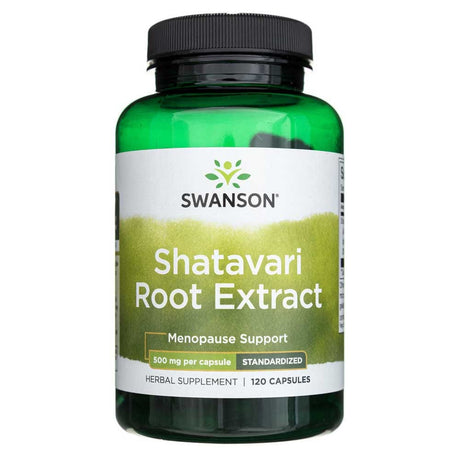
Swanson Shatavari Wurzelextrakt 500 mg - 120 Kapseln
Normaler Preis €15.49Grundpreis€0.13 pro Stück

 Um 5% reduziert
Now Foods
Now Foods Dong Quai 520 mg - 100 pflanzliche Kapseln
Verkaufspreis €8.80 Normaler Preis €9.29Grundpreis€0.09 pro Stück

Now Foods
Now Foods EVE Women's Multiple Vitamin - 120 pflanzliche Kapseln
Normaler Preis €28.79Grundpreis€0.24 pro Stück


Now Foods
Now Foods Rotklee 375 mg - 100 pflanzliche Kapseln
Normaler Preis €8.49Grundpreis€0.08 pro Stück


Now Foods
Now Foods Maca 500 mg - 100 pflanzliche Kapseln
Normaler Preis €9.49Grundpreis€0.09 pro Stück


Shatavari-Nebenwirkungen und Vorsichtsmaßnahmen
Shatavari gilt bei bestimmungsgemäßer Anwendung für die meisten Erwachsenen allgemein als sicher. Wie bei jedem pflanzlichen Nahrungsergänzungsmittel können jedoch bei einigen Personen Nebenwirkungen auftreten. Zu den am häufigsten berichteten Reaktionen gehören:
- Hautreaktionen — gelegentliche allergische Reaktionen wie Hautausschlag oder Juckreiz,, insbesondere bei Personen, die empfindlich auf Pflanzen aus der Familie der Spargelgewächse reagieren,
- Gewichtsveränderungen, — einige Anwender berichten von Gewichtsschwankungen, die möglicherweise mit der Wechselwirkung des Krauts mit hormonellen Stoffwechselwegen zusammenhängen
- Hormonempfindlichkeit — da Shatavari Phytoöstrogene enthält, sollten Personen mit hormonempfindlichen Erkrankungen-empfindlichen Erkrankungen sollten vor der Anwendung einen Arzt konsultieren
Shatavari wird nicht empfohlen für Schwangere oder Personen mit bekannter Überempfindlichkeit gegenüber dieser Pflanze oder anderen Vertretern der Spargelgewächse (Asparagaceae). Wenn Sie Medikamente einnehmen – insbesondere hormonelle Behandlungen –, ist es ratsam, vor Beginn der Einnahme mit Ihrem Arzt zu sprechen.
So wählen Sie ein Shatavari-Präparat aus
Bei der Auswahl eines Shatavari-Präparats, gibt es einige praktische Aspekte zu beachten. Achten Sie auf Produkte, bei denen die Menge an Shatavari-Wurzelextrakt pro Portion und der Standardisierungsgrad der Wirkstoffe, – insbesondere der Saponine – klar angegeben sind. Kapseln sind in der Regel am praktischsten für den täglichen Gebrauch, obwohl Shatavari auch als Pulver erhältlich ist, für diejenigen, die es lieber in Getränke oder Smoothies mischen möchten.
Bei pflanzlichen Nahrungsergänzungsmitteln kommt es auf die Qualität an. Wählen Sie Produkte von vertrauenswürdigen Kräutermarken, die sich an gute Herstellungspraktiken halten und transparente Angaben zu den Inhaltsstoffen machen. Bei Medpak, stammen unsere Shatavari-Nahrungsergänzungsmittel von etablierten Herstellern mit einem guten Ruf im Bereich der Kräuterheilkunde.
-
-
Swanson
Swanson Shatavari Wurzelextrakt 500 mg - 120 Kapseln
Normaler Preis €15.49Grundpreis€0.13 pro Stück 

 Um 5% reduziert
Hepatica
Hepatica Ashwagandha (Indischer Ginseng) - 90 Kapseln
Verkaufspreis €7.09 Normaler Preis €7.49Grundpreis€0.08 pro Stück


Swanson
Swanson Volles Spektrum Dong Quai 530 mg - 100 Kapseln
Normaler Preis €6.99Grundpreis€0.07 pro Stück


Aura Herbals
Aura Herbals Adaptogene - 100% natürliche Pflanzenextrakte - 50 ml
Normaler Preis €14.89Grundpreis€29.78 /100ml


Wichtigste Erkenntnis: Shatavari ist ein hochgeschätztes ayurvedisches Kraut mit einer langen Tradition in der Frauenheilkunde – von Linderung bei Menstruationsbeschwerden und Hormonausgleich bis hin zu Stressbewältigung und Unterstützung der reproduktiven Vitalität. Während die moderne Forschung noch dabei ist, die jahrhundertelange traditionelle Anwendung nachzuholen, bleibt Shatavari eines der beliebtesten und am weitesten verbreiteten pflanzlichen Mittel für Frauen weltweit. Bei verantwortungsbewusstem Gebrauch und unter angemessener Anleitung kann es eine sinnvolle Ergänzung der natürlichen Wellness-Routine einer Frau sein.
Dieser Artikel dient nur der Information und ersetzt keine ärztliche Beratung. Bei gesundheitlichen Beschwerden, in der Schwangerschaft, Stillzeit oder bei Einnahme von Medikamenten wenden Sie sich an einen Arzt oder Apotheker. Nahrungsergänzungsmittel sind kein Ersatz für eine abwechslungsreiche Ernährung.


